
Get Arborist Pruning in Woodland, WA
Arborist pruning services for Woodland, WA and nearby areas address overgrown or damaged branches, improve tree health, and shape trees for safety and aesthetic appeal.
Arborist pruning services are essential for maintaining healthy and attractive trees on residential properties in Woodland, WA. Proper pruning helps improve the overall structure and strength of trees, reducing the risk of falling branches or storm damage. Additionally, well-maintained trees can enhance curb appeal, making a property more inviting and visually appealing. Regular pruning also helps manage tree growth to prevent interference with utility lines, buildings, or pathways, contributing to a safer and more functional outdoor space.
Property owners often seek arborist pruning to increase the durability of their trees, ensuring they withstand local weather conditions over time. Reduced maintenance is another benefit, as properly pruned trees are less likely to develop disease or decay, which can lead to costly repairs or removals. By investing in professional pruning, homeowners can enjoy a safer, more comfortable outdoor environment while preserving the long-term health and beauty of their trees.
- Deadwood Removal - needed when trees have damaged or decaying branches that pose safety risks.
- Thinning - appropriate for improving air flow and light penetration in dense tree canopies.
- Structural Pruning - used to correct weak branch unions and promote strong growth in young or mature trees.
- Formative Pruning - essential for guiding the development of young trees to establish a healthy structure.
- Hazard Tree Pruning - required when trees show signs of instability or damage that could threaten nearby property or people.
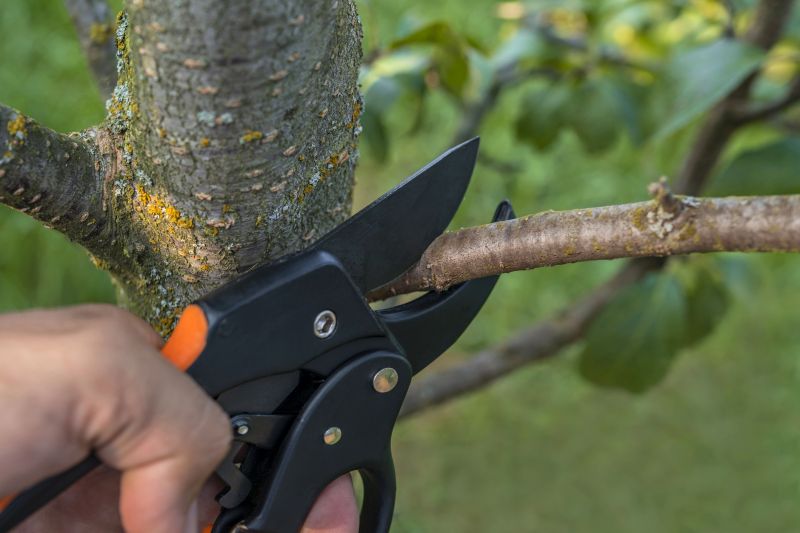
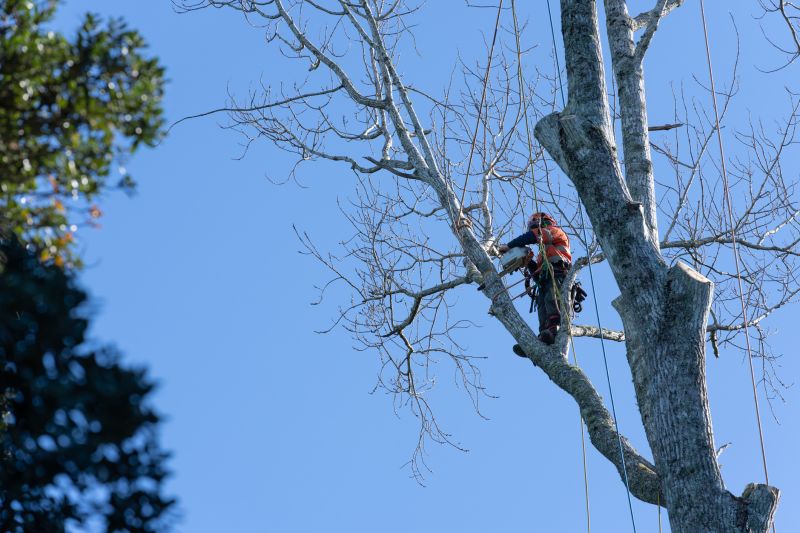
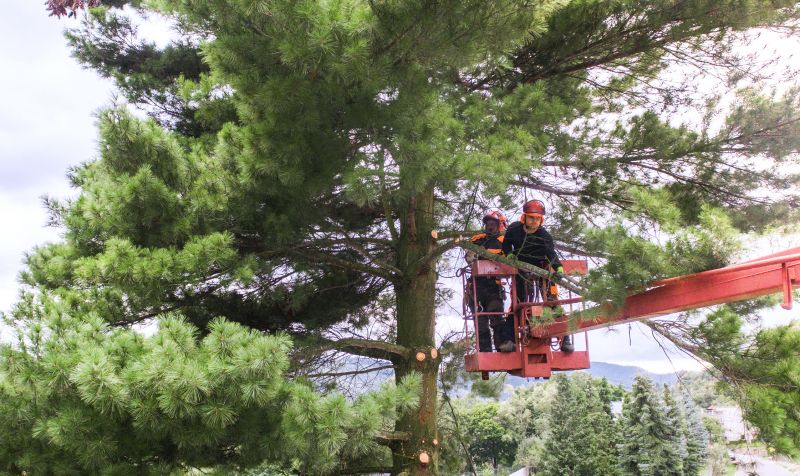
Arborist pruning services involve the careful trimming and shaping of trees to promote their health, safety, and aesthetic appeal. Professional arborists assess each tree’s structure, growth patterns, and overall condition to determine the most appropriate pruning techniques. This process can include removing dead or diseased branches, thinning out dense foliage, and reducing the size of a tree to prevent potential hazards. Proper pruning helps maintain the natural form of trees while encouraging vigorous growth and longevity.
These services are often sought to address specific problems such as overgrown branches that interfere with power lines or structures, or trees that exhibit signs of disease or decay. Unpruned trees can become hazardous when weakened limbs are at risk of falling, especially during storms or high winds. Additionally, improper growth can lead to structural issues that compromise a tree’s stability. Arborist pruning helps mitigate these risks by removing problematic limbs and improving the overall health of the tree.
Properties that typically utilize arborist pruning services include residential homes, commercial properties, parks, and public spaces. In residential settings, pruning can enhance curb appeal and ensure safety around walkways and driveways. Commercial properties often require regular pruning to maintain a professional appearance and prevent potential liabilities from falling branches. Public parks and community spaces also benefit from professional pruning to preserve the safety and beauty of their trees, ensuring they remain healthy and visually appealing for visitors.
Engaging with local arborist pruning specialists provides property owners with expert care tailored to their specific trees and landscape needs. These professionals use specialized techniques to improve tree structure, remove hazards, and support healthy growth. Whether addressing safety concerns, aesthetic goals, or tree health issues, connecting with experienced arborists can help ensure trees are managed responsibly and effectively across various property types.
The overview below groups typical Arborist Pruning projects into broad ranges so you can see how smaller, mid-sized, and larger jobs often compare in Woodland, WA.
In many markets, a large share of routine jobs stays in the lower and middle ranges, while only a smaller percentage of projects moves into the highest bands when the work is more complex or site conditions are harder than average.
Basic Pruning - Typically costs between $150 and $450 for standard tree pruning. This includes trimming small to medium-sized branches to improve health and appearance.
Structural Pruning - Usually ranges from $300 to $800 depending on tree size and complexity. This service focuses on shaping trees to promote stability and safety.
Deadwood Removal - Costs generally fall between $100 and $300 per tree. Removing dead or diseased branches helps prevent damage and disease spread.
Large Tree Pruning - Can range from $500 to over $1,500 for extensive work on mature trees. The price varies based on height, access, and scope of the pruning needed.
Actual totals will depend on details like access to the work area, the scope of the project, and the materials selected, so use these as general starting points rather than exact figures.
Tree Pruning - Local arborists offer pruning services to improve tree health and structure, enhancing safety and aesthetic appeal.
Crown Reduction - Professionals provide crown reduction to decrease the size of overgrown trees, reducing potential hazards and maintaining landscape balance.
Deadwooding - Deadwooding services involve removing dead or dying branches to prevent breakage and promote overall tree vitality.
Thinning and Shaping - Arborists perform thinning and shaping to improve light penetration and airflow, supporting healthy growth and visual harmony.
Storm Damage Pruning - Local experts assist with pruning after storm events to remove damaged branches and mitigate future risks.
Fruit Tree Pruning - Specialized pruning services aim to enhance fruit production and maintain the health of fruit-bearing trees in residential landscapes.
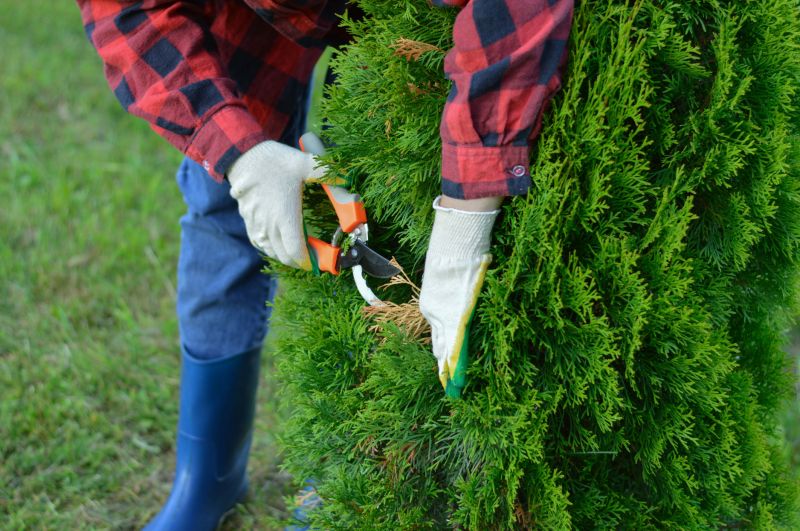
When selecting an arborist for pruning services, it’s important to consider the experience of the local professionals. Homeowners should look for contractors who have a proven track record in tree care, with a history of successfully handling projects similar to their needs. Reputable references or reviews from previous clients can offer insights into the quality of work and reliability of the service providers, helping homeowners make informed decisions based on real experiences.
Clear communication and written expectations are key factors when working with local arborists. Homeowners should seek professionals who provide detailed service descriptions, including scope of work, methods, and any necessary preparations. Establishing transparent dialogue helps ensure that both parties understand the project requirements and can address any questions or concerns before work begins, reducing potential misunderstandings.
It’s also beneficial to evaluate the reputation and credibility of local arborist options through trusted sources. Homeowners are encouraged to research reviews, ask for recommendations from neighbors or friends, and verify the provider’s standing within the community. Since the information below introduces local options rather than acting as the contractor, it’s important to contact the chosen professionals directly to discuss their experience, communication style, and ability to meet written expectations for arborist pruning services in Woodland, WA, and nearby areas.
Property owners in Woodland, WA use Arborist Pruning services for practical projects around their homes and businesses. The sections below highlight everyday jobs and straightforward project options.
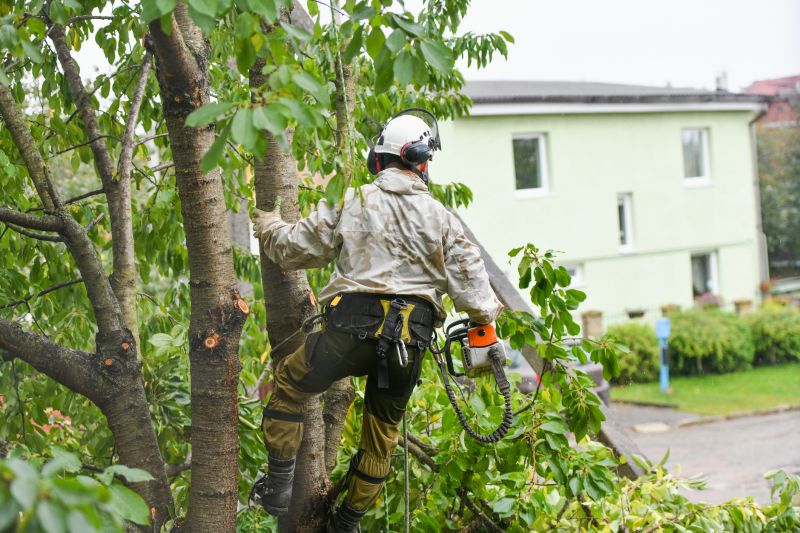
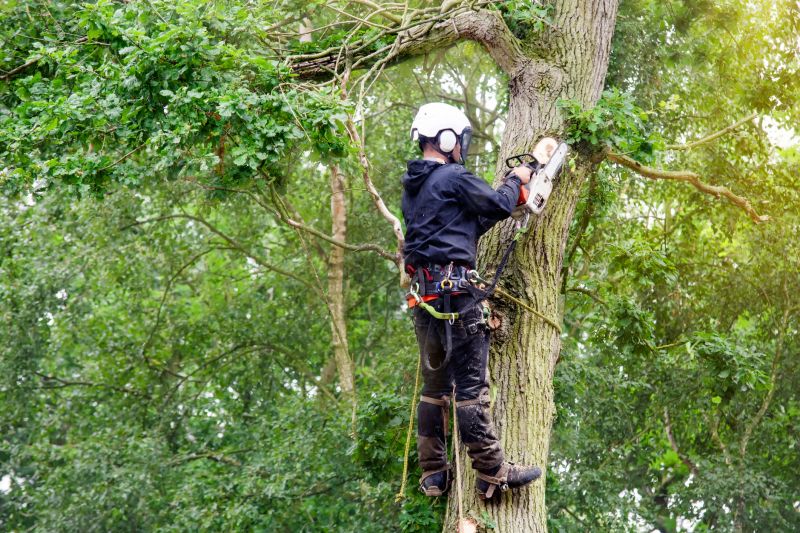
Arborist pruning services are often sought by property owners in Woodland, WA to maintain the health and appearance of their trees. Regular pruning can help remove dead or diseased branches, improve airflow, and promote new growth. Homeowners may also request pruning to shape trees for aesthetic purposes or to prevent branches from interfering with power lines, structures, or pathways.
In addition, local property owners might look for arborist pruning when addressing safety concerns. Overgrown or weak branches can pose a risk during storms or high winds, and professional pruning can help reduce the likelihood of falling debris. These services are commonly used to ensure that trees remain safe and healthy, especially in residential areas with children, pets, or frequent outdoor activity.
What is arborist pruning? Arborist pruning involves selectively removing or trimming branches to improve tree health, structure, and appearance, performed by trained tree care professionals.
When is the best time to prune trees? The ideal time to prune trees varies by species, but generally, late winter or early spring is recommended for most trees to promote healthy growth.
Why hire a professional for pruning? Professional arborists have the expertise and equipment to safely and effectively prune trees, reducing the risk of damage or injury.
What types of pruning services are available? Common services include crown thinning, crown reduction, deadwood removal, and shaping to enhance tree health and aesthetics.
How can I find local arborist pruning services? Interested individuals can contact local tree care providers or service professionals in Woodland, WA, and nearby areas for assistance with pruning needs.
Tree Pruning Techniques - Local arborists can assess and implement proper pruning methods to promote healthy growth and structural integrity.
Seasonal Tree Care - Professionals offer pruning services tailored to seasonal needs to help trees withstand weather changes.
Safety-Driven Pruning - Expert pruning ensures trees are maintained safely around properties, power lines, and public spaces.
Tree Health Improvement - Skilled arborists prune to remove dead or diseased branches, enhancing overall tree vitality.
Considering Arborist Pruning for a property in Woodland, WA? The sections above highlight common project types, practical options, and details that often shape the scope of work.
When you are ready, use the quote form to share a few details about your project. Local pros can review the basics and respond with options that match what you have in mind.