
Get Plant Bed Mulching in Vancouver, WA
Local contractors in Vancouver, WA, can handle plant bed mulching to prevent weed growth, improve appearance, and protect garden plants in residential and commercial landscapes.
Property owners in Vancouver, WA, who are planning landscaping projects often consider mulching as a practical step to enhance their outdoor spaces. Proper bed mulching can help suppress weeds, retain soil moisture, and improve the overall appearance of garden beds. Exploring local contractors who specialize in mulching services can provide valuable insights into the best options for your property’s specific needs, ensuring that the work is completed efficiently and effectively.
Comparing different service providers in the Vancouver area can help property owners find experienced local contractors capable of handling mulching projects with attention to detail. Whether updating existing garden beds or preparing new landscaping features, connecting with qualified professionals can make the process smoother and more manageable. Keep reading to learn more about how local experts can assist with your plant bed mulching needs.
- Residential Garden Beds - homeowners in neighborhoods like Fisher's Landing or Hazel Dell may need mulching to improve plant health and appearance.
- Commercial Landscaping - businesses in Vancouver's downtown or nearby industrial areas often require mulching to maintain professional outdoor spaces.
- New Plant Installations - when planting new beds in areas such as Salmon Creek or Battle Ground, mulching helps protect and nourish young plants.
- Erosion Control - properties on slopes or with heavy rainfall in areas like Orchards may benefit from mulching to prevent soil erosion.
- Seasonal Cleanup - during spring or fall, property owners in neighborhoods like Uplands or Rose Village seek mulching services to prepare their gardens.
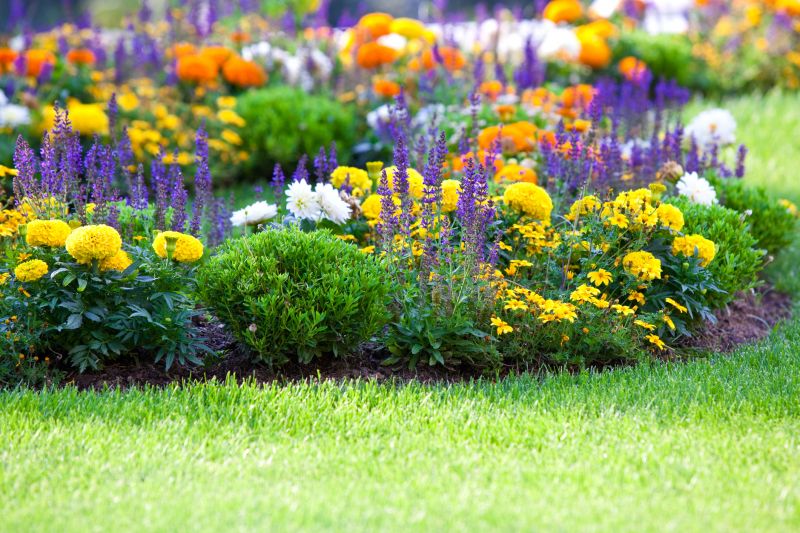
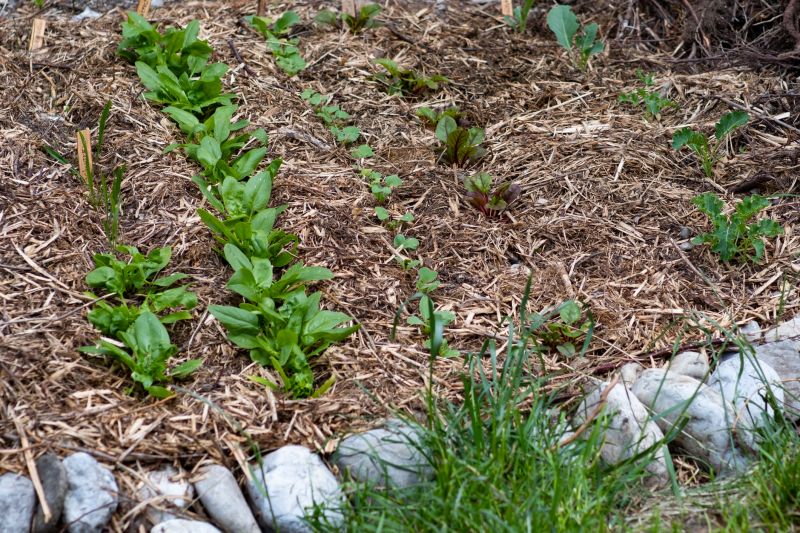
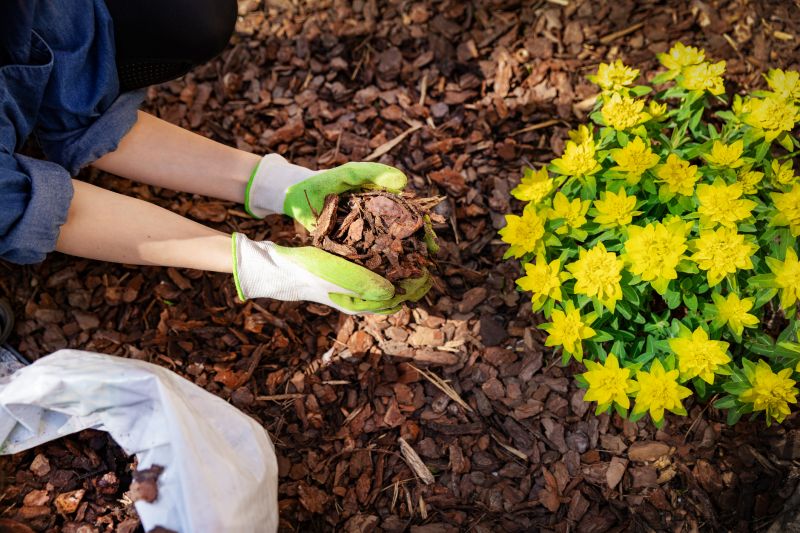
Plant bed mulching services involve applying a layer of mulch around trees, shrubs, and flower beds to enhance the landscape's appearance and health. These professionals typically start by preparing the area, removing weeds or debris, and then spreading mulch evenly to a desired depth. The types of mulch used can vary, including organic options like bark, wood chips, or compost, which help nourish the soil over time. This process not only improves the visual appeal of a property but also provides a protective barrier against weeds, pests, and soil erosion.
Mulching addresses several common landscaping problems faced by homeowners. It helps retain soil moisture, reducing the frequency of watering needed and keeping plants healthy during dry periods. Mulch also moderates soil temperature fluctuations, protecting roots from extreme heat or cold. Additionally, it minimizes weed growth by blocking sunlight, which can save time and effort on regular garden maintenance. For properties with flower beds, vegetable gardens, or mature trees, mulching can be a practical way to promote plant vitality and reduce ongoing upkeep.
Properties that typically benefit from plant bed mulching include residential homes with landscaped yards, community gardens, and commercial properties with decorative plantings. Homes with mature trees or extensive flower beds often see the most noticeable improvements, as mulch helps preserve soil quality and enhances curb appeal. Mulching is also popular for properties that experience seasonal weather changes, as it provides a consistent layer of protection for plants and soil throughout the year. Whether for aesthetic reasons or to improve plant health, many property owners find mulching to be a valuable part of their landscape maintenance routine.
For homeowners considering mulching services, understanding when and why to use this technique can make a significant difference in garden management. Service providers in the area can assess specific landscape needs and recommend appropriate mulching solutions. This can be especially helpful for those looking to reduce weeds, conserve water, or give their gardens a tidy, finished look. By connecting with experienced local contractors, property owners can find tailored mulching options that suit their landscape goals and property type, ensuring a healthier, more attractive outdoor space.
The overview below groups typical Plant Bed Mulching projects into broad ranges so you can see how smaller, mid-sized, and larger jobs often compare in Vancouver, WA.
In many markets, a large share of routine jobs stays in the lower and middle ranges, while only a smaller percentage of projects moves into the highest bands when the work is more complex or site conditions are harder than average.
Smaller Bed Mulching - Typical costs for small to medium-sized beds generally range from $250-$600. Many routine projects fall within this middle range, depending on bed size and mulch type. Fewer jobs tend to reach the higher end of this spectrum.
Full Bed Mulching - Larger, more comprehensive mulching projects can cost between $600-$1,200. These often include multiple beds or extensive landscaping areas and are common for larger residential properties in Vancouver, WA.
Specialty Mulching Materials - Using premium or specialty mulches, such as dyed or decorative types, can increase costs to $1,200-$2,500 or more for extensive areas. Many local contractors can handle these projects, though they tend to be less common than standard mulching jobs.
Complete Bed Renovation - For complete redesigns, including removal of old mulch, soil preparation, and new mulching, costs typically range from $1,500 to over $5,000. Larger or more complex projects in this tier are less frequent but handled by experienced local service providers.
Actual totals will depend on details like access to the work area, the scope of the project, and the materials selected, so use these as general starting points rather than exact figures.
Garden Bed Installation - Local contractors skilled in garden bed installation often use similar planning, soil preparation, and mulching techniques as those used in plant bed mulching projects.
Landscape Edging Services - Professionals who install landscape edging are experienced with soil manipulation and material placement, which complements mulching work around garden beds and walkways.
Soil Preparation and Amendment - Soil prep services involve assessing and improving soil quality, a process that aligns with the groundwork needed before applying mulch to plant beds.
Planting and Transplanting Services - Planting projects require careful planning and soil management, skills that are also essential when mulching to ensure healthy plant growth.
Weed Control and Removal - Weed removal services often include mulching as a method to suppress weeds, making these professionals familiar with mulching techniques and materials.
Pathway and Garden Design - Designing pathways and garden layouts involves planning and material selection similar to mulching projects focused on aesthetic and functional landscaping.
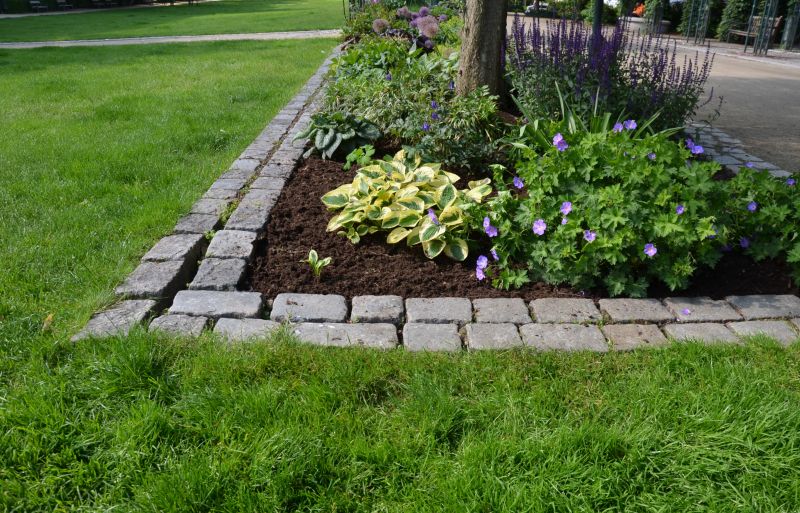
When comparing contractors for plant bed mulching services, it’s important to consider their experience with similar projects in the Vancouver, WA area. Homeowners should inquire about how long a service provider has been working on landscape mulching and whether they have completed projects comparable in size and scope. A contractor with a history of handling plant bed mulching can offer insights into effective techniques, appropriate materials, and common challenges, helping to ensure the work will meet expectations and suit the specific needs of the landscape.
Clear, written expectations are essential when selecting a local contractor for mulching services. Homeowners should seek detailed descriptions of the scope of work, including the type of mulch to be used, preparation steps, and any additional services provided. Having this information in writing helps prevent misunderstandings and provides a basis for comparison among different providers. It also allows homeowners to evaluate whether the proposed approach aligns with their vision for the landscape and ensures everyone is on the same page before work begins.
Reputable references and strong communication are key factors in choosing the right landscape professional. Homeowners are encouraged to ask for references from previous clients who had similar work done, as this can provide insights into the contractor’s reliability, quality of work, and professionalism. Good communication throughout the process helps clarify questions, set expectations, and address any concerns promptly. Since the site introduces homeowners to local options rather than performing the work itself, taking these steps can lead to a more confident decision and a successful mulching project.
Property owners in Vancouver, WA use Plant Bed Mulching services for practical projects around their homes and businesses. This guide focuses on everyday jobs and straightforward project options.
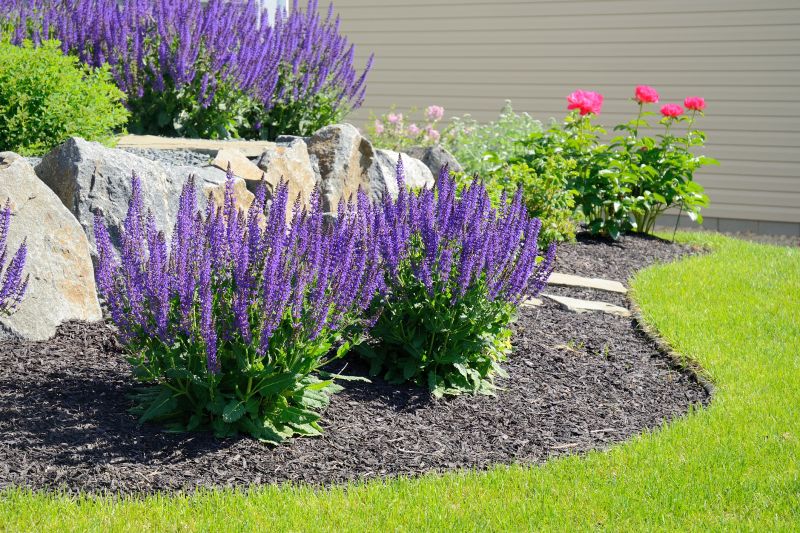
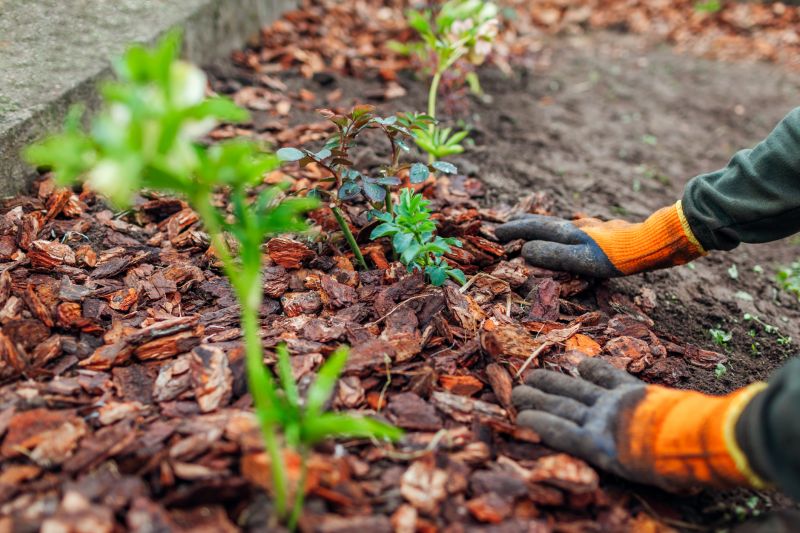
Plant bed mulching services are often sought after by property owners in Vancouver, WA who want to improve the appearance and health of their gardens. Whether preparing for the changing seasons or maintaining a tidy landscape, many choose mulching to help control weeds, retain soil moisture, and give flower beds a polished look. Local contractors can assist with spreading mulch evenly across garden beds, ensuring that the landscape remains attractive and well-maintained throughout the year.
Homeowners may also look for mulching services when undertaking landscape upgrades or preparing for outdoor events. Mulch can act as a protective layer for plants during colder months or help reduce the amount of yard work needed for weed control. Service providers in the area are equipped to handle projects of various sizes, making it easier for property owners to keep their outdoor spaces healthy and visually appealing with professional mulching assistance.
What are the benefits of mulching garden beds? Mulching helps retain soil moisture, suppress weeds, and improve the overall appearance of garden beds, making it easier to maintain healthy plants.
What types of mulch are available for plant beds? Local contractors typically offer various mulch options such as wood chips, bark, straw, and rubber, allowing homeowners to choose based on their garden's needs and aesthetic preferences.
How does mulching affect plant health? Applying mulch can help regulate soil temperature, reduce water evaporation, and prevent weed growth, contributing to healthier and more vigorous plants.
Is mulching suitable for all types of plant beds? Mulching is generally beneficial for most garden beds, including flower beds, vegetable gardens, and shrub borders, but specific mulch types may be recommended based on plant species and soil conditions.
How do local contractors typically prepare plant beds for mulching? They usually clear debris, weed the area, and sometimes amend the soil before spreading mulch evenly around plants to ensure optimal coverage and effectiveness.
Enhance curb appeal - Mulching around flower beds and shrubs can create a neat, attractive look for outdoor spaces.
Control weeds - Applying mulch helps suppress weed growth, making garden maintenance easier for property owners.
Protect plant roots - Mulching provides insulation for plant roots, helping them stay healthy during temperature fluctuations.
Reduce water evaporation - Mulch conserves soil moisture, supporting healthy plant growth with less frequent watering.
If you are thinking about Plant Bed Mulching for a property in Vancouver, WA, this guide is meant to help you understand the work, the typical project types, and how different options might fit your plans.
When you are ready, you can use the quote form on this page to share a few details about your project. From there, local pros can review the basics and respond with options that match what you have in mind.